
Posture Correction Techniques
Good posture is essential for overall health and well-being. Poor posture can lead to various physical issues, including back pain, neck strain, and even headaches. Fortunately, there are several effective techniques for correcting posture and preventing pain. In this blog post, we will explore these techniques and discuss how physiotherapy services can help you achieve better alignment and comfort in your daily activities.
Understanding Posture
Posture refers to the position in which you hold your body while standing, sitting, or lying down. It involves the alignment of your bones, muscles, and joints. Proper posture allows your body to function efficiently and minimizes the strain on your muscles and ligaments. There are two main types of posture:
Static Posture
Static posture refers to how you hold your body when you are stationary. This includes:
- Standing
- Sitting
- Lying down
Dynamic Posture
Dynamic posture is how you hold your body while moving. This includes:
- Walking
- Running
- Performing sports or physical activities
Common Causes of Poor Posture
Poor posture can result from various factors, including:
- Prolonged sitting, especially in front of a computer
- Lack of physical activity
- Muscle imbalances
- Injuries or medical conditions
- Improper ergonomics in the workplace
Techniques for Correcting Posture
Improving your posture is a gradual process that involves awareness and practice. Here are some effective techniques to help you correct your posture:
1. Ergonomic Adjustments
Make adjustments to your workspace to promote better posture:
- Use an ergonomic chair that supports your lower back.
- Position your computer screen at eye level to avoid straining your neck.
- Keep your feet flat on the ground or use a footrest.
- Maintain a 90-degree angle at your elbows while typing.
2. Strengthening Exercises
Strengthening the muscles that support your spine can improve posture. Some effective exercises include:
- Planks: Strengthen your core muscles.
- Bridges: Target the glutes and lower back.
- Rows: Strengthen the upper back and shoulders.
3. Stretching Exercises
Stretching helps release tension in tight muscles that can contribute to poor posture. Consider these stretches:
- Chest Stretch: Open up tight chest muscles.
- Neck Stretch: Relieve tension in the neck and shoulders.
- Hip Flexor Stretch: Counteract the effects of prolonged sitting.
4. Mindfulness and Awareness
Being mindful of your posture throughout the day is crucial. Here are some tips:
- Check in with your posture regularly.
- Use reminders, such as sticky notes or phone alerts.
- Practice deep breathing to reduce tension and promote relaxation.
The Role of Physiotherapy in Posture Correction
Physiotherapy can play a significant role in correcting posture and relieving pain. A physiotherapist can:
- Evaluate your posture and identify specific issues.
- Design a personalized exercise program tailored to your needs.
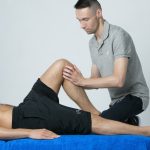
- Provide manual therapy to alleviate pain and tension.
- Educate you on proper body mechanics and ergonomics.
Conclusion
Correcting your posture is essential for preventing pain and improving your overall quality of life. By implementing ergonomic adjustments, engaging in strengthening and stretching exercises, and being mindful of your posture, you can achieve better alignment. If you’re struggling with posture-related issues, consider seeking the help of a physiotherapist who can guide you on your journey to better posture and comfort in your daily activities.