Understanding Physiotherapy
Physiotherapy is a vital healthcare profession that focuses on enhancing and restoring the functional ability and quality of life of individuals. It plays a crucial role in recovery from injuries, managing chronic conditions, and improving overall physical health. In this article, we will explore the fundamentals of physiotherapy, its benefits, and how personalized treatment plans can enhance your recovery and well-being.
What is Physiotherapy?
Physiotherapy, also known as physical therapy, involves the assessment, diagnosis, and treatment of physical impairments and disabilities. It utilizes various techniques to promote mobility, function, and overall health. The primary goal is to help patients regain their independence and improve their quality of life through movement and exercise.
Key Components of Physiotherapy
- Assessment: A thorough evaluation of the patient’s physical condition, including medical history and physical examination.
- Treatment Planning: Development of a personalized treatment plan based on the assessment findings.
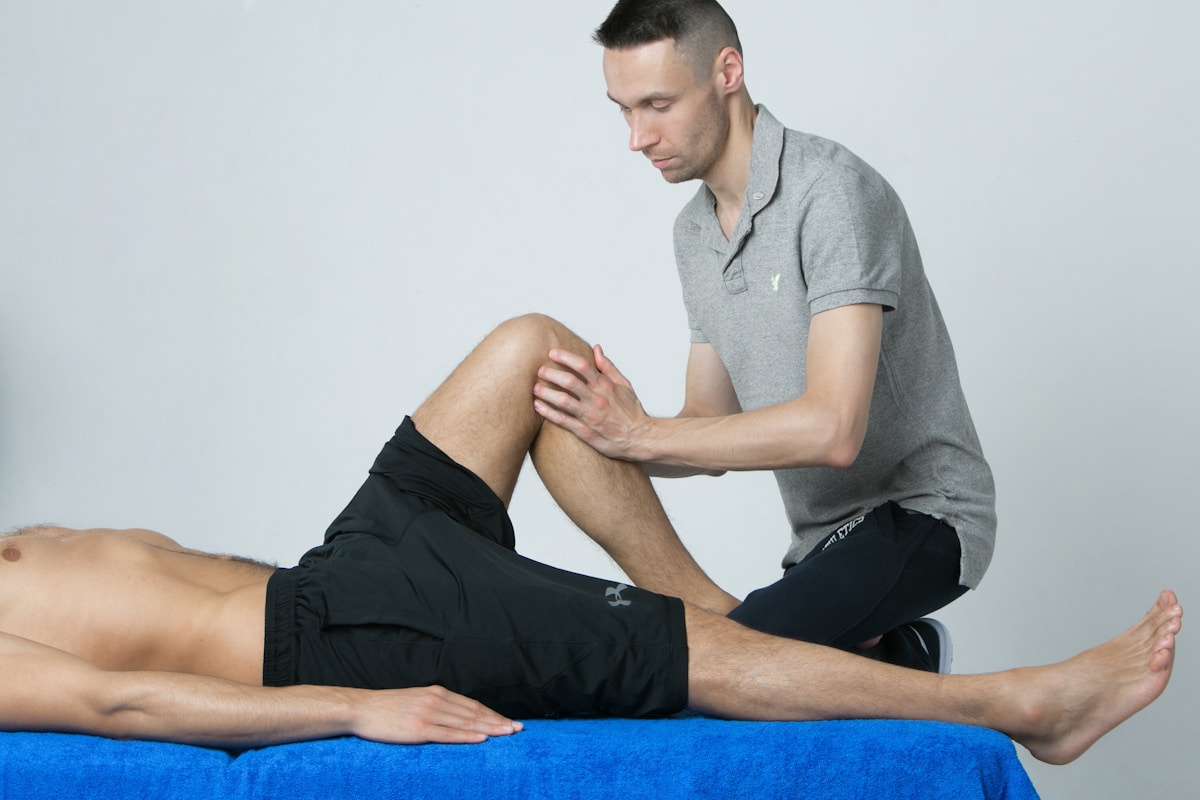
- Intervention: Implementation of various therapeutic techniques, including exercises, manual therapy, and modalities like heat or cold therapy.
- Education: Providing guidance on injury prevention, self-management strategies, and lifestyle modifications.
Benefits of Physiotherapy
Physiotherapy offers a wide range of benefits for individuals of all ages and physical conditions. Here are some of the key advantages:
1. Pain Management
Physiotherapy can help alleviate pain through various techniques, including:
- Manual therapy to reduce muscle tension and improve joint mobility.
- Exercise therapy to strengthen muscles and relieve pain.
- Modalities such as ultrasound, electrical stimulation, and heat or cold therapy.
2. Improved Mobility and Function
Physiotherapists work with patients to enhance their movement and functional abilities. This includes:
- Restoring range of motion after an injury or surgery.
- Improving balance and coordination.
- Developing strength and endurance for daily activities.
3. Rehabilitation After Injury or Surgery
Physiotherapy is essential for recovery following:
- Sports injuries that require rehabilitation.
- Surgical procedures, such as joint replacements or ligament repairs.
- Accidents resulting in trauma or fractures.
4. Chronic Disease Management
For individuals with chronic conditions, physiotherapy can provide:
- Strategies to manage symptoms and improve quality of life.
- Exercise programs tailored to specific health conditions, such as arthritis or diabetes.
- Education on lifestyle changes to promote overall health.
The Physiotherapy Process
Understanding the physiotherapy process can help demystify what to expect during treatment. Here’s a step-by-step breakdown:
1. Initial Consultation
During the first appointment, the physiotherapist will:
- Gather information about your medical history and current symptoms.
- Conduct a physical examination to assess your condition.
- Discuss your goals and expectations for therapy.
2. Development of a Treatment Plan
Based on the assessment, the physiotherapist will create a personalized treatment plan that may include:
- Specific exercises to target areas of concern.
- Manual therapy techniques to relieve pain and improve function.
- Education on posture, ergonomics, and activity modifications.
3. Ongoing Treatment and Progress Monitoring
As treatment progresses, your physiotherapist will:
- Reassess your condition regularly to track improvements.
- Adjust the treatment plan as needed to ensure optimal recovery.
- Provide ongoing support and motivation to help you achieve your goals.
Choosing the Right Physiotherapist
Selecting a qualified physiotherapist is crucial for effective treatment. Here are some tips to consider:
- Check Credentials: Ensure the physiotherapist is licensed and has the necessary qualifications.
- Experience: Look for a therapist with experience in treating your specific condition.
- Communication: Choose someone who listens to your concerns and explains treatment options clearly.
- Personalized Approach: Opt for a therapist who tailors treatment plans to your individual needs.
Conclusion
Physiotherapy is a powerful tool for enhancing recovery and promoting overall well-being. By understanding the fundamentals of physiotherapy and working with a qualified professional, you can take significant steps toward improving your physical health and quality of life. Whether you’re recovering from an injury, managing a chronic condition, or looking to enhance your fitness, physiotherapy offers a pathway to achieving your goals.